Safety
Intended Use
The inverter, batteries and electricity meters together form a system designed to optimise the self-consumption of electrical energy in a household. The inverter transfers energy between AC current and DC current while the battery is used for the storage of energy (typically storing surplus energy produced by solar arrays).
SMILE-G3-T4/T5/T6/T8/T10/T12/T15-INV and SMILE-G3-BAT-4.5S&SMILE-G3-BAT-9.3S are suitable for indoor and outdoor installation.
SMILE -G3-BAT-3.8S is only suitable for indoor installation.
The SMILE-G3-T4/T5/T6/T8/T10/T12/T15-INV must only be operated with PV arrays of protection class II in accordance with IEC 61730, application class A. The PV modules must be compatible with this product.
The product is not equipped with an integrated transformer and therefore has no galvanic isolation.
The product must not be operated with PV modules whose outputs are grounded. This can cause the product to be destroyed. The product may be operated with PV modules whose frame is grounded.
PV modules with a high capacity to ground can be used only when their coupling capacity does not exceed 1.0 μF.
All components must be used in a manner and environment in compliance with the requirements of this manual and in compliance with all relevant local Standards and directives. Any other operation may cause personal injury or property damage.
Alterations to the product, e.g. changes or modifications, are only permitted with the express written permission of AlphaESS. Unauthorized alterations will void the product warranty(s). AlphaESS shall not be held liable for any damage caused by such changes.
Any use of the product other than that described in the Intended Use section does not qualify as appropriate.
The enclosed documentation is an integral part of this product. Keep the documentation in a convenient place for future reference and comply with all instructions contained therein.
The type label must remain permanently attached to the product.
Safety Instructions for Battery
General Safety Precautions
Before installing any part of the SMILE-G3, please read the Installation Manual completely. If additional hardware is being installed at the same time as the SMILE-G3 unit (e.g. a Backup device or a separate AC-coupled PV system), please read the Installation Manual for each component/system before commencing installation of any hardware. The installation of one piece of hardware may create hazards for the installation of another piece of hardware – be sure to read all Manuals to understand the interaction and safety implications of the combined systems.
Overvoltage or incorrect wiring can damage the battery and cause deflagration, which can be extremely dangerous.
All types of battery breakdown may lead to electrolyte or flammable gas leakage.
The battery is not user-serviceable because there is high voltage in the device.
Read the label with Warning Symbols and Precautions on the right side of the battery.
Do not connect any AC conductors or PV conductors directly to the battery which should be connected only to the inverter.
Do not charge or discharge a damaged battery.
Do not damage the battery by dropping, deforming, impacting, cutting or penetrating it with a sharp object. Battery damage may cause a leakage of electrolyte or fire.
Do not expose the battery to an open flame.
Response to Emergency Situations
The battery is designed to prevent the danger caused by malfunction.
In the case of user exposure to the electrolyte or other internal materials of the battery cells, the list below details recommended actions dependent on the type of exposure:
1. Inhalation: Leave the contaminated area immediately and seek medical attention.
2. Eye injuries: Rinse eyes with running water for 15 minutes and seek medical attention.
3. Skin injuries: Wash the affected area thoroughly with soap and seek medical attention.
4. Ingestion: Induce vomiting and seek medical attention.
If a fire breaks out in the place where the battery is installed, please follow these measures:
- Fire extinguishing methods
A Respirator is not required during normal operations.
Use an FM-200 or CO2 extinguisher for battery fire.
In the case of a fire in the property but where the fire has not yet reached the battery, if it is safe to do so, use an ABC fire extinguisher and prevent the fire from reaching the battery.
- Firefighting instructions
If a fire occurs when charging the batteries, if it is safe to do so, disconnect the battery circuit breaker to shut off the power to the batteries.
If the battery is not on fire yet, extinguish the fire before the battery catches fire.
If the battery is on fire, do not try to extinguish it but evacuate people immediately.
WARNING
There may be a possible explosion when batteries are heated above 150°C.
The battery leaks poisonous gases when it is burning. Do not approach.
- Effective ways to deal with accidents
On land: Place damaged battery in a segregated place and call local fire department or technical service engineer.
In water: Stay out of the water and don't touch anything if any part of the battery, inverter, or wiring is submerged.
Do not use submerged battery again and contact an AlphaESS-Accredited or Battery-Accredited technical service engineer.
Important Safety Instructions
DANGER
Danger to life due to electric shock when live components or DC cables are touched
The DC cables connected to a battery or a PV module may be live. Touching live DC cables can result in serious injury or even death due to electric shock. To avoid this danger:
- Disconnect the inverter and battery from voltage sources and make sure it cannot be reconnected before working on the device.
- Do not touch non-insulated parts or cables.
- Do not disconnect the DC connectors under load.
- Wear suitable personal protective equipment for all work on the product.
- Observe all safety information of this document.
DANGER
Danger to life due to electric shock if live system components in backup mode are touched
Even if the grid circuit breaker and the PV switch of the inverter are disconnected, parts of the system may still be live when the battery is switched on due to backup mode. To avoid this danger:
- Before performing any work on the inverter, disconnect it from all voltage sources as described in this document.
DANGER
Danger to life due to electric shock if touching live components or DC cables when working on the battery
The DC cables connected to the battery may be live. Touching live DC cables can result in serious injury or even death due to electric shock. To avoid this danger:
- Before performing any work on the battery, disconnect the inverter from all voltage sources as described in this document.
DANGER
Danger to life due to electric shock if touching live components when the inverter or battery cover is open
High voltages are present in the live parts and cables inside the system during operation. Touching live parts and cables can result in significant injuries or even death due to electric shock. To avoid this danger:
- Do not open the system cover.
DANGER
Danger to life due to electric shock if live components are touched during a ground fault
When a ground fault occurs, parts of the energy storage system may still be live. Touching live parts and cables can result in significant injuries or even death due to electric shock. To avoid this danger:
• Disconnect the product from voltage sources and make sure it cannot be reconnected before working on the device.
• Touch the cables of the PV array on the insulation only.
• Do not touch any parts of the substructure or frame of the PV array.
• Do not connect PV strings with ground faults to the inverter.
DANGER
Danger to life due to electric shock if an ungrounded PV module or array frame is touched
Touching ungrounded PV modules or array frames can result in significant injuries or even death due to electric shock. To avoid this danger:
• Connect and ground the frame of the PV modules, the array mounting frame and the electrically conductive surfaces to ensure continuous conduction.
• Observe the applicable local regulations.
DANGER
Danger to life due to dangerous voltages on the battery.
There is dangerous voltage at the terminal of the battery power cable. Touching the terminal of the battery power cable can result in a lethal electric shock. To avoid this danger:
- Do not open the battery cover.
- Leave the protective caps on the connectors for the battery’s power connection until the inverter cables are connected to the battery.
- Disconnect the system from voltage sources and make sure it cannot be reconnected before working on the inverter or the battery.
WARNING
Risk of chemical burns from electrolyte or toxic gases
During normal operation, no electrolyte would leak from the battery and no toxic gases would form. Despite careful construction, if the battery is damaged or a fault occurs, it is possible that electrolyte may leak or toxic gases may form. To avoid this danger:
- Store the battery in a cool and dry place.
- Do not drop the battery or expose it to sharp objects.
- Protect the battery from mechanical damage from vehicles, tools and other objects.
- Only set the battery down on its back or its base.
- Do not open the battery.
- Do not install or operate the battery in potentially explosive atmosphere or areas of high humidity.
- If moisture has penetrated the battery (e.g. due to a damaged housing), do not install or operate the battery.
- In case of contact with electrolyte, rinse the affected areas immediately with water and seek medical attention without delay.
WARNING
Danger to life due to burns caused by electric arcs through short-circuit currents
Short-circuit currents in the battery can cause heat build-up and electric arcs. Heat build-up and electric arcs may result in lethal injuries due to burns. To avoid this danger:
- Disconnect the battery from all voltage sources before performing any work on it.
- Observe all safety information of this document.
WARNING
Risk of burns from the inverter’s hot surface
The surface of the inverter can get extremely hot during operation, and touching it can result in burns. To avoid this danger:
- Correctly mount the inverter so that it cannot be inadvertently touched.
- Do not touch hot surfaces.
- Wait for 30 minutes for surfaces to cool down after switching the system off.
- Observe the safety messages on the inverter.
- During operation, don’t touch any parts other than the display panel of the inverter.
WARNING
Risk of injury due to weight of the inverter and battery
Injuries may be caused if the product is lifted incorrectly or dropped while being transported or mounted. To avoid this danger:
- Transport and lift the product carefully. Take the weight of the product into account. Use lifting and conveyance aids such as lifting trolleys wherever possible.
- Wear suitable personal protective equipment for all work on the product.
INFO
Damage to the inverter and battery due to electrostatic discharge
Touching electronic components can result in electrostatic discharge, which can damage or destroy the inverter and battery. To avoid this:
- Ground yourself before touching any component.
INFO
Damage due to cleaning agents or inappropriate cleaning methods
The use of cleaning agents may cause damage to the product and its components. To avoid this:
- Clean the product and all its components only with a cloth moistened with clear water.
- Never clean the unit with a hose or with the use of a water jet.
Symbols Explanation
Symbols on the type label of the energy storage inverter:
Symbol | Explanation |
| Beware of a danger zone This symbol indicates that the product must be additionally grounded if additional grounding or equipotential bonding is required at the installation site. |
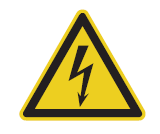
| Beware of electrical voltage The product operates at high voltages. |
| Beware of hot surface The inverter can get hot during operation. |
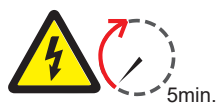
| Danger to life due to high voltages in the inverter, observe a waiting time of 5 minutes. High voltages within the live components of the inverter that can cause lethal electric shocks.Prior to performing any work on the inverter, disconnect it from all voltage sources as described in this document. |
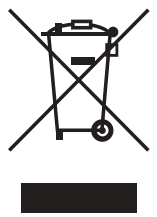
| WEEE designation Do not dispose of the product together with the household waste but in accordance with the disposal regulations for electronic waste applicable at the installation site. |
| Read the Product documentation |
| CE marking The product complies with the requirements of the applicable EU directives. |
| RCM (Regulatory Compliance Mark) The product complies with the requirements of the applicable Australian standards. |
| UKCA marking The product complies with the regulations of the applicable laws of England,Wales and Scotland. |






Symbols on the type label and warning label of the battery:
Symbol | Explanation |
| Beware of a danger zone This symbol indicates that the battery must be additionally grounded if additional grounding or equipotential bonding is required at the installation site. |
| Beware of electrical voltage The product operates at high voltages. |
| Risk of chemical burns |
| Risk of explosion |
| Risk of electrolyte leakage |
| Read the Product documentation |
| Refer to the instruction for operation Observe all documentations supplied with the product. |
| Use eye protection Wear eye protection for all work on the device. |
| Fire, naked light and smoking prohibited |
| Avoid close proximity. Do not approach the Product unnecessarily. |
| Do not short circuit the battery. Touching the short-circuit connection of the battery can result in serious injuries or even death due to electric shock and massive energy release. |
| WEEE designation Do not dispose of the battery together with the household waste but in accordance with the disposal regulations for electronic waste applicable at the installation site. |
| CE marking The product complies with the requirements of the applicable EU directives. |
| RCM (Regulatory Compliance Mark) The product complies with the requirements of the applicable Australian standards. |
| UKCA marking The product complies with the regulations of the applicable laws of England,Wales and Scotland. |
| Marking for transport of dangerous goods The product passes the certifications of the UN38.3. |